

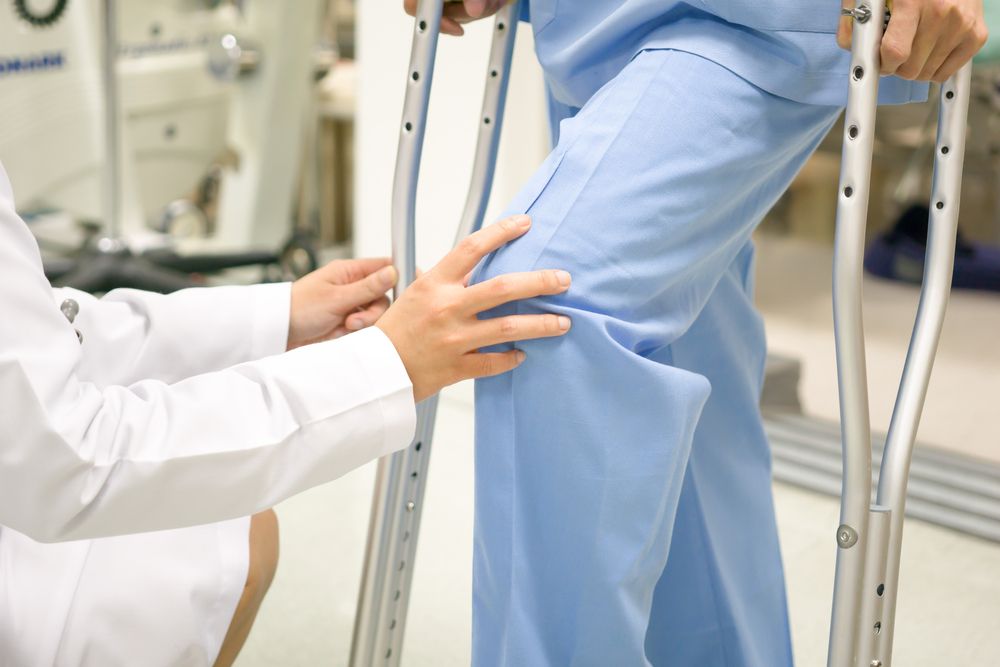
Physician-guided 1-on-1 training refers to a highly personalized approach to exercise in which a healthcare provider oversees or directs the development of an individualized fitness plan. This type of training blends medical insight with physical conditioning strategies to help individuals move safely, efficiently, and with clear goals in mind. At Evolved Health Chiropractic in Woburn and Chelmsford, MA, the concept serves as a foundation for understanding how medical expertise can support physical performance and overall wellness, regardless of a person’s fitness level or background.
This approach is particularly beneficial because it recognizes that every person has unique physical needs, limitations, and long-term objectives. Rather than following generalized workout programs, individuals receive guidance built around their health history, biomechanics, and specific challenges. This tailored structure allows for more focused progress and a reduced risk of injury while promoting confidence and consistency in training. When a provider helps design or monitor the training plan, it ensures that recommendations remain aligned with a person’s evolving health status.
The collaboration between medical knowledge and structured exercise education helps guide safer movement patterns and healthier habits. It also encourages continual adjustments, ensuring that the program supports progress without overwhelming the body. In many cases, this approach becomes a bridge between rehabilitation, performance enhancement, and lifelong wellness routines.
Key Components of Physician-Guided Training
A well-structured physician-guided training program typically involves a thorough health assessment before any movement instruction begins. This evaluation may consider past injuries, postural habits, joint mobility, muscle imbalances, and lifestyle factors that influence physical capability. A detailed assessment allows the provider to design a program that aligns with both short-term goals—such as improving stability—and long-term goals—such as supporting functional strength and fitness longevity.
Once the assessment is complete, the provider creates a plan emphasizing safe and controlled exercise progressions. Movements are selected based on what the body can currently tolerate, while still challenging individuals to develop strength, coordination, and resilience. Over time, intensity and complexity may be increased as the person demonstrates improved technique and stability. This planned, step-by-step progression makes the training both effective and sustainable, reducing the likelihood of setbacks.
During ongoing sessions, the provider monitors form, response to exercise, and any signs of physical stress. This real-time feedback is one of the greatest advantages of physician-guided training. When necessary, exercises can be modified or replaced to protect the body and support healthier movement patterns. The continuous refinement of the program supports gradual but meaningful improvements in overall function and comfort.
Who Benefits Most from This Approach?
Physician-guided 1-on-1 training can support a wide range of individuals, from those looking to enhance athletic performance to people focused on improving everyday mobility. It is especially helpful for individuals who may need additional support, such as those recovering from physical discomfort, managing chronic conditions, or returning to activity after prolonged inactivity. The structured environment allows them to progress without fear of exacerbating underlying issues.
Athletes may benefit from the enhanced analysis of their movement patterns, helping them correct inefficiencies that could lead to overuse problems or performance limitations. Meanwhile, adults with sedentary lifestyles often appreciate the personalized approach because it allows them to rebuild foundational strength gradually. This can be particularly important for supporting joint health, improving posture, and developing core stability, all of which play a significant role in long-term physical wellness.
For older adults, physician-guided training can also be valuable, as it focuses on balance, coordination, and strength—all essential factors in fall prevention and maintaining independence. No matter the age or activity level, the individualized nature of the training fosters a sense of empowerment, encouraging people to stay engaged in their health journey and pursue realistic, attainable goals.
What to Expect During Sessions
Each session is typically structured around individualized goals, technical guidance, and meaningful progression. A session may begin with a warm-up focused on mobility and activation exercises that prepare the joints and muscles for more demanding movements. This phase helps improve circulation, enhance range of motion, and create a mind–body connection that supports safer exercise execution.
Following the warm-up, the provider introduces targeted exercises designed to build strength, stability, flexibility, or endurance. These movements are performed with close attention to form and alignment. In many cases, the provider offers cues to help reinforce proper mechanics, encouraging better body awareness. This hands-on approach supports efficient learning and helps individuals break long-standing movement habits that may contribute to discomfort or imbalance.
Sessions usually finish with cool-down techniques that may include gentle stretching, breathing practices, or low-intensity movements to support recovery. Over time, individuals can expect gradual increases in skill, improved comfort during daily tasks, and a stronger understanding of how their bodies move. This structured and educational environment fosters long-term improvements that extend far beyond the training sessions themselves.
Closing Thoughts
Physician-guided 1-on-1 training provides a personalized, medically informed approach to movement that can support safer, more effective progress toward fitness and wellness goals. By integrating structured exercise with professional oversight, individuals gain valuable insight into how their bodies function and how to move in ways that support long-term health. Evolved Health Chiropractic in Woburn and Chelmsford, MA encourages people to explore educational resources that deepen their understanding of personalized training and its benefits for overall well-being.
Resources
Kraemer, W. J., & Ratamess, N. A. (2004). Fundamentals of Resistance Training: Progression and Exercise Prescription. Medicine & Science in Sports & Exercise.
Myer, G. D., Kushner, A. M., Brent, J. L., Schoenfeld, B. J., Hugentobler, J., Lloyd, R. S., Vermeil, A., Chu, D. A., Harbin, J., & McGill, S. M. (2014). The Back Squat: A Proposed Assessment of Functional Deficits and Technical Factors That Limit Performance. Strength and Conditioning Journal.
Siff, M. C. (2003). Biomechanical Foundations of Strength and Power Training. Strength and Conditioning Journal.