

When it comes to improving flexibility and reducing muscle soreness, two common approaches often come up: stretching and foam rolling. At Evolved Health Chiropractic in Woburn and Chelmsford, MA, many patients ask which method is more effective for recovery, injury prevention, and overall performance. The answer depends on your goals, activity level, and specific physical needs. Understanding how each technique works can help you choose the right strategy—or combination—for optimal results.
Understanding Stretching
Types and Benefits of Stretching
Stretching has long been a staple of fitness and rehabilitation programs. It involves lengthening muscles and connective tissues to improve flexibility and joint range of motion. There are several types of stretching, including static stretching, dynamic stretching, and proprioceptive neuromuscular facilitation (PNF).
Static stretching involves holding a muscle in a lengthened position for a set period, typically 15 to 60 seconds. Dynamic stretching uses controlled movements to take joints through their full range of motion. Each method serves a purpose. Dynamic stretching is often recommended before exercise to prepare muscles for activity, while static stretching may be more beneficial after workouts to help maintain flexibility.
Regular stretching can improve mobility, support proper posture, and reduce muscle tension. However, stretching primarily targets muscle length and does not directly address tissue adhesions or fascial restrictions.
What Is Foam Rolling?
How Self-Myofascial Release Works
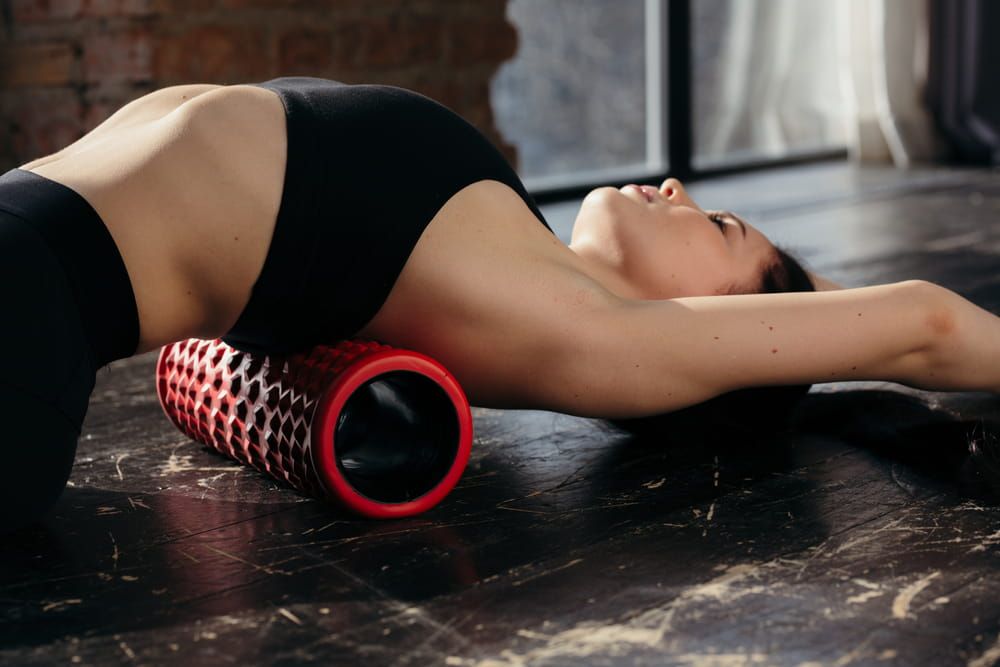
Foam rolling is a form of self-myofascial release that targets the fascia, the connective tissue surrounding muscles. By applying pressure to specific areas using a foam roller, individuals can help reduce tightness, improve circulation, and temporarily decrease muscle stiffness.
The pressure applied during foam rolling may help break up minor adhesions and improve tissue glide between muscle layers. This can enhance movement efficiency and reduce the sensation of tightness. Foam rolling is often used before or after exercise to improve mobility and support recovery.
Unlike stretching, which lengthens muscle fibers, foam rolling focuses on improving tissue quality. It may also stimulate the nervous system in a way that temporarily increases range of motion without significantly altering muscle length.
Comparing the Benefits
Which One Improves Flexibility More?
Research suggests that both stretching and foam rolling can improve short-term flexibility. Static stretching may produce longer-lasting improvements in muscle length when performed consistently over time. Foam rolling, on the other hand, can quickly increase range of motion without reducing muscle strength or performance immediately afterward.
For individuals preparing for athletic activity, foam rolling may be preferred before exercise because it does not appear to temporarily decrease power output. Static stretching performed immediately before high-intensity performance may slightly reduce explosive strength, which is why dynamic stretching is often recommended during warm-ups.
Each method offers distinct advantages:
- Stretching focuses on muscle length and flexibility
- Foam rolling targets fascial tension and tissue quality
- Both can reduce perceived muscle tightness
- Both may support injury prevention when used appropriately
Recovery and Muscle Soreness
Managing Post-Workout Discomfort
Delayed onset muscle soreness (DOMS) is common after intense or unfamiliar exercise. Foam rolling has been shown to help reduce soreness perception and improve recovery by promoting blood flow and decreasing tissue stiffness. Stretching may also alleviate discomfort, though its effect on soreness is less pronounced compared to foam rolling.
Incorporating both techniques into a recovery routine can be beneficial. For example, foam rolling may be used first to address tissue tension, followed by gentle stretching to maintain mobility. This combination can support circulation, reduce stiffness, and enhance overall recovery.
Choosing the Right Approach for Your Goals
Individual Needs Matter
The decision between stretching and foam rolling depends on individual goals and physical condition. Someone with limited flexibility may benefit from a structured stretching program. An athlete experiencing muscle tightness from repetitive training may find foam rolling especially helpful.
It is also important to consider underlying biomechanical factors. Tightness and stiffness are sometimes symptoms of deeper imbalances in strength or movement patterns. Addressing these root causes can improve long-term results and reduce reliance on temporary relief methods.
Patients interested in optimizing mobility and recovery often explore educational resources through practices such as Evolved Health Chiropractic in Woburn and Chelmsford, MA. Multiple providers emphasize a comprehensive approach that considers alignment, muscle balance, and overall performance.
Ultimately, stretching and foam rolling are not opposing strategies but complementary tools. By understanding how each works and applying them thoughtfully, individuals can enhance flexibility, improve recovery, and support long-term musculoskeletal health. Evolved Health Chiropractic encourages patients to view both techniques as part of a balanced wellness routine tailored to their unique needs.
Sources
Behm, D. G., & Chaouachi, A. (2011). A review of the acute effects of static and dynamic stretching on performance. European Journal of Applied Physiology.
Cheatham, S. W., Kolber, M. J., Cain, M., & Lee, M. (2015). The effects of self-myofascial release using a foam roll on joint range of motion. International Journal of Sports Physical Therapy.
MacDonald, G. Z., Penney, M. D., Mullaley, M. E., et al. (2013). An acute bout of self-myofascial release increases range of motion without a subsequent decrease in muscle activation or force. Journal of Strength and Conditioning Research.