

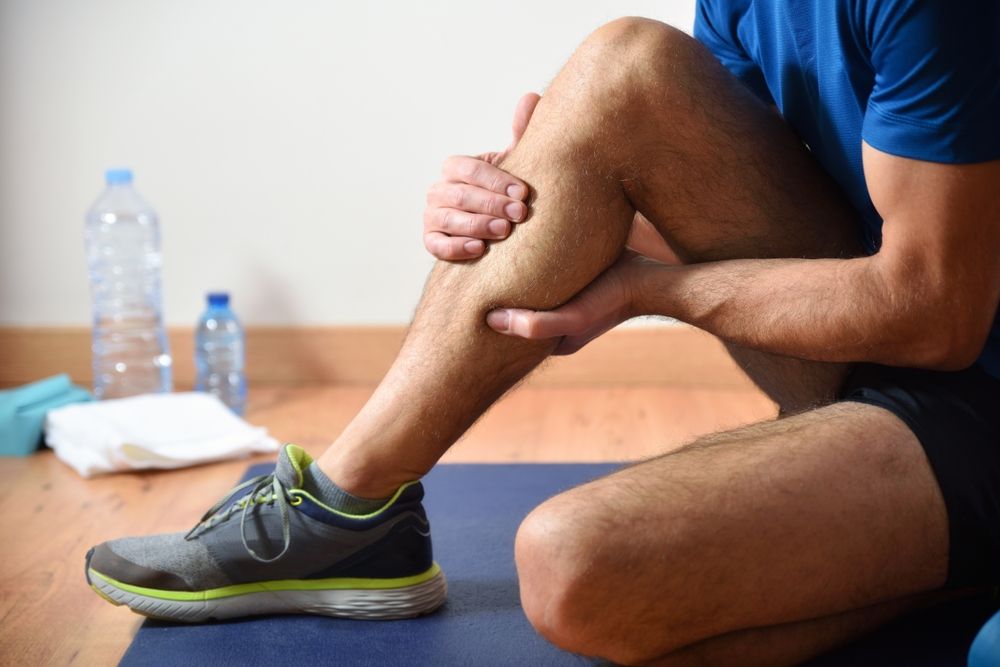
Muscle soreness is a common experience among active individuals, and it often sparks the question of whether it is wise to continue training while feeling stiff or achy. At Evolved Health Chiropractic in Woburn and Chelmsford, MA, many people express curiosity about how to interpret soreness and whether it indicates harm or healthy adaptation. Muscle soreness, particularly delayed onset muscle soreness (DOMS), typically develops 24 to 72 hours after exercise and occurs when muscle fibers adapt to unfamiliar or intense movement. This adaptive process is normal and often part of building strength and resilience.
However, it can sometimes be difficult to distinguish between productive soreness and soreness that signals overuse or strain. Mild soreness tends to feel like stiffness or tightness that improves with gentle movement, while more concerning soreness may come with swelling, sharp pain, or limited range of motion. Understanding the difference helps individuals make informed choices about training intensity and recovery strategies.
When Training Through Soreness May Be Beneficial
Light to moderate activity can sometimes help ease muscle soreness by increasing blood flow to the muscles. This circulation supports the delivery of nutrients and oxygen needed for repair, which may help reduce stiffness. For many people, engaging in gentle activities such as walking, cycling at a comfortable pace, or performing mobility exercises can help alleviate discomfort while still keeping the body active. These lighter forms of movement may also support overall recovery by maintaining rhythm, routine, and flexibility.
It’s important to note that training through soreness does not necessarily mean repeating the same intense exercise that caused the soreness in the first place. Instead, individuals may benefit from adjusting their routine or engaging in active recovery. When soreness is mild and improves with movement, training at a reduced intensity may still be appropriate. The goal is to encourage recovery rather than to push through discomfort that could worsen symptoms.
When Rest Is the Better Option
While mild soreness may not pose an issue, there are times when rest is the more appropriate choice. Severe soreness that interferes with daily activities or persists for several days may indicate that the muscles need more time to heal. Pushing through this level of discomfort could increase the risk of strain or injury, especially if the soreness is accompanied by swelling, sharp pain, or weakness. Listening to the body and recognizing when it is signaling a need for rest can help prevent setbacks in a training routine.
Overtraining is another concern when individuals consistently train through significant soreness. When the body does not receive adequate recovery time, fatigue can accumulate, and performance may decline. This type of fatigue can impact not only strength and endurance but also motivation and overall well-being. Incorporating rest days or choosing low-impact alternatives helps ensure that training remains effective rather than counterproductive.
Strategies to Support Recovery and Reduce Soreness
Active adults can support their bodies by adopting strategies that encourage recovery and reduce the intensity of muscle soreness. Hydration, nutrition, sleep, and mobility work all play important roles in how quickly the muscles repair themselves. Proper hydration supports circulation, while nutrient-dense meals provide the amino acids, vitamins, and minerals necessary for rebuilding tissue. Adequate sleep is also crucial because much of the body’s repair work occurs during deep sleep cycles.
A helpful approach for many individuals includes incorporating gentle recovery activities that promote movement without excessive strain. These may include stretching, foam rolling, or low-intensity cardio. Some people also find value in planning their workouts so that different muscle groups receive attention on different days, allowing each area sufficient time to recover. A simple example of this kind of programming includes:
• Strength training on alternate muscle groups (upper body one day, lower body the next)
Using thoughtful recovery strategies can help manage soreness and support a sustainable, enjoyable training routine.
Finding the Right Balance for Long-Term Progress
Finding the balance between training and recovery is essential for long-term progress. Active individuals often feel motivated to push themselves, but consistency depends on recognizing the body’s signals and responding appropriately. Training through mild soreness can be beneficial, but ignoring signs of excessive strain may lead to frustration or injury. Striking this balance enables individuals to stay active while minimizing discomfort and supporting performance over time.
Evolved Health Chiropractic encourages individuals in Woburn and Chelmsford, MA to stay informed about how the body responds to training and recovery, helping them make choices that promote strength, resilience, and long-term wellness.
Resources
Clarkson, P. M., & Hubal, M. J. (2002). Exercise-Induced Muscle Damage in Humans. American Journal of Physical Medicine and Rehabilitation.
Schwane, J. A., & Armstrong, R. B. (1983). Effect of Training on Delayed-Onset Muscle Soreness. Journal of Applied Physiology.
Cheung, K., Hume, P., & Maxwell, L. (2003). Delayed Onset Muscle Soreness: Treatment Strategies and Performance Factors. Sports Medicine.