

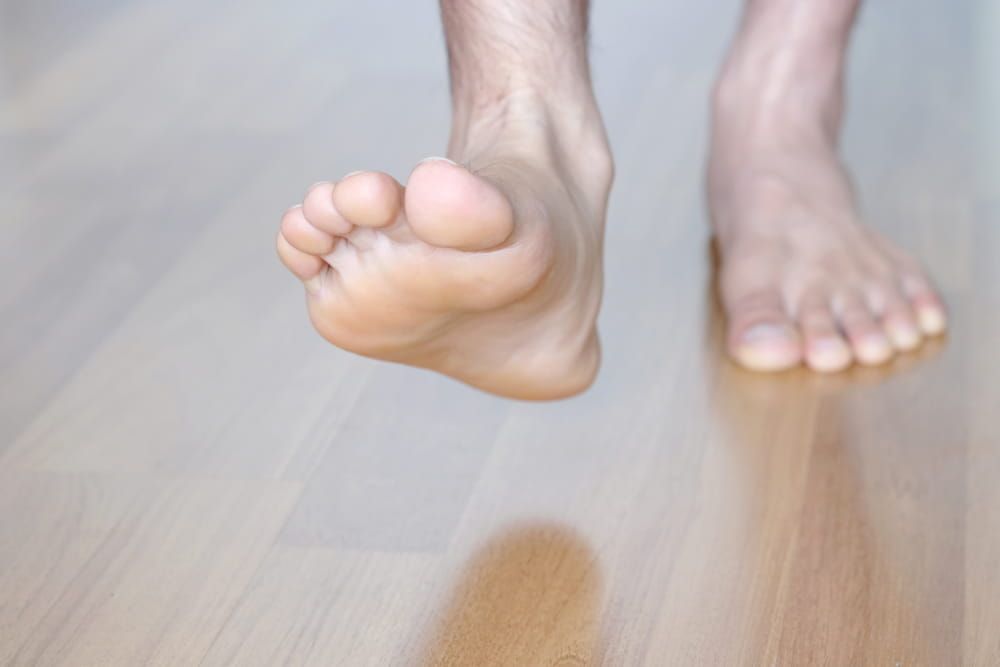
Foot health plays a far greater role in overall wellness than many people realize. At Evolved Health Chiropractic in Woburn and Chelmsford, MA, patients often learn that discomfort in the knees, hips, or back may actually begin at the feet. Because the feet act as the foundation of the body, even small imbalances can influence posture, alignment, and movement patterns from head to toe.
The Feet as the Body’s Foundation
Why Alignment Starts at Ground Level
The human foot contains 26 bones, 33 joints, and more than 100 muscles, tendons, and ligaments. This intricate structure is designed to provide stability, absorb shock, and propel the body forward. When the feet function properly, they help distribute weight evenly and support balanced posture.
However, structural issues such as flat feet, high arches, or uneven gait mechanics can disrupt this foundation. When weight is not distributed evenly, stress travels upward through the ankles, knees, hips, and spine. Over time, these compensations may contribute to chronic pain, stiffness, and reduced mobility.
The Connection Between Foot Mechanics and Joint Health
How Imbalances Travel Up the Kinetic Chain
The body operates as a kinetic chain, meaning each joint and muscle group influences the next. If the arches collapse excessively or the feet roll inward or outward, the ankles may tilt and alter knee alignment. This can increase strain on ligaments and cartilage within the knee joint.
As misalignment continues upward, the hips and pelvis may shift to compensate. This shift can place additional stress on the lower back, potentially contributing to discomfort or muscle tightness. Addressing foot mechanics can therefore play an important role in protecting joint health throughout the body.
Posture, Balance, and Core Stability
The Role of the Feet in Whole-Body Stability
Healthy feet provide a stable base for upright posture. When foot alignment is compromised, posture may gradually change. For example, fallen arches can cause inward rotation of the legs, which may tilt the pelvis and exaggerate spinal curves.
Poor foot stability can also affect balance and coordination. The feet contain sensory receptors that communicate with the brain to help maintain equilibrium. If this feedback is altered due to pain or dysfunction, balance may suffer. Improving foot strength and support can enhance stability and reduce the risk of falls or injuries.
Foot Health and Athletic Performance
Movement Efficiency and Injury Prevention
Athletes and active individuals rely heavily on efficient foot mechanics. Every step, jump, or pivot begins with the feet absorbing and transferring force. When foot alignment is optimal, movement becomes more efficient and energy expenditure is reduced.
Conversely, improper foot mechanics can increase the risk of overuse injuries such as plantar fasciitis, shin splints, Achilles tendonitis, and stress fractures. Supporting proper biomechanics may not only improve performance but also help reduce repetitive strain throughout the lower extremities.
Signs Your Feet May Be Affecting Your Body
Recognizing Early Warning Signals
Many people do not immediately associate symptoms in other areas with their feet. Warning signs that foot health may be contributing to broader issues include:
- Persistent knee, hip, or lower back pain
- Uneven wear patterns on shoes
- Frequent ankle sprains
- Chronic heel or arch discomfort
- Noticeable changes in posture
Early recognition of these signs allows individuals to take proactive steps to improve alignment and reduce long-term stress on joints and muscles.
Supporting Foot Health for Long-Term Wellness
A Comprehensive Approach
Maintaining foot health involves more than simply wearing comfortable shoes. Stretching tight calf muscles, strengthening intrinsic foot muscles, and choosing supportive footwear can all make a meaningful difference. In some cases, custom orthotics may provide additional structural support to improve alignment.
When foot mechanics are optimized, the entire body can function more efficiently. Patients seeking to better understand how movement patterns influence pain and performance often explore educational resources through practices such as Evolved Health Chiropractic in Woburn and Chelmsford, MA. Multiple providers focus on the interconnected nature of the musculoskeletal system and how foundational support can promote overall well-being.
Recognizing how foot health impacts the entire body empowers individuals to address concerns at their source rather than only treating symptoms. By caring for the foundation, it is possible to support healthier posture, improved mobility, and greater comfort in daily life. Evolved Health Chiropractic encourages patients to view foot health as an essential component of long-term musculoskeletal wellness.
Sources
Neumann, D. A. (2010). Kinesiology of the Musculoskeletal System. Mosby Elsevier.
Hamill, J., & Knutzen, K. M. (2015). Biomechanical Basis of Human Movement. Wolters Kluwer.
Bolgla, L. A., & Malone, T. R. (2004). Plantar fasciitis and the windlass mechanism. Journal of Athletic Training.