
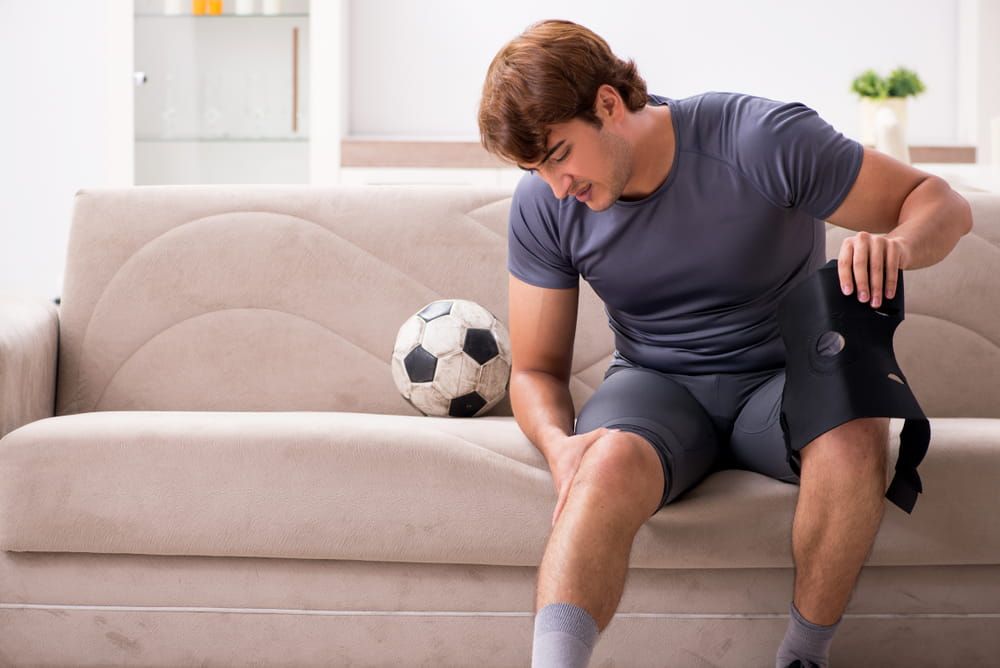
Sports injuries can be frustrating, especially for active individuals eager to return to training or competition. Whether you are a weekend runner or a competitive athlete, proper recovery is essential to prevent re-injury and restore full performance. At Evolved Health Chiropractic in Woburn and Chelmsford, MA, patients frequently ask how they can heal efficiently while protecting their long-term health. Understanding the science of recovery can help you make informed decisions and support your body’s natural healing process.
Understanding the Healing Process
Why Patience and Strategy Matter
Every sports injury triggers a predictable healing response that occurs in three main phases: inflammation, repair, and remodeling. During the inflammatory phase, the body increases blood flow to the injured area to remove damaged tissue and begin healing. While swelling and discomfort may feel discouraging, this phase is necessary for recovery.
The repair phase involves the production of new tissue fibers. These fibers are initially fragile and require careful movement and progressive loading to strengthen properly. Finally, during remodeling, the tissue gradually regains strength and flexibility. Rushing this process can disrupt healing and increase the risk of setbacks, making a strategic recovery plan essential.
Early Intervention and Accurate Assessment
Identifying the Root Cause
One of the most important steps in recovering faster is obtaining a thorough evaluation. Not all sports injuries are the same, and symptoms may not always reflect the underlying issue. For example, knee pain may originate from hip weakness or foot instability. Addressing the root cause ensures that treatment supports true healing rather than temporary symptom relief.
Accurate assessment may include movement analysis, strength testing, and evaluation of biomechanics. By identifying contributing factors such as muscle imbalances or poor training mechanics, individuals can correct dysfunction and reduce the likelihood of recurring injury.
The Role of Controlled Movement
Why Rest Alone Is Not Enough
While rest is important in the early stages of injury, prolonged inactivity can slow recovery. Gentle, guided movement encourages blood flow, prevents stiffness, and promotes tissue alignment during healing. Controlled exercises tailored to the specific injury can help maintain mobility and prevent muscle atrophy.
Progressive loading is especially critical. Gradually increasing resistance or activity levels helps tissues adapt and regain strength. Skipping this step and returning to full activity too quickly often leads to reinjury. A structured progression ensures a safer and more efficient return to sport.
Supporting Recovery Through Multiple Strategies
Comprehensive Healing Approaches
Recovery is most effective when multiple factors are addressed simultaneously. Strategies that may support faster healing include:
- Targeted strengthening and corrective exercises
- Mobility and flexibility training
- Manual therapies to improve circulation and tissue quality
- Nutritional support to aid tissue repair
- Adequate sleep and stress management
Nutrition plays a particularly important role. Protein, vitamins such as C and D, and minerals like zinc contribute to tissue repair. Hydration also supports circulation and cellular function, both of which are essential for recovery.
Preventing Future Injuries
Building Resilience After Healing
Returning to sport is not the final step in recovery. Building resilience is essential to prevent repeat injuries. This includes addressing weaknesses, improving movement mechanics, and gradually increasing intensity. Functional training that mimics sport-specific movements can help prepare the body for real-world demands.
Listening to your body is equally important. Persistent pain, swelling, or fatigue may signal that progression is occurring too quickly. Allowing adequate recovery between training sessions helps maintain gains and reduce cumulative stress.
Taking a Long-Term Perspective on Recovery
Optimizing Performance After Injury
Recovering from a sports injury is not just about healing damaged tissue; it is an opportunity to improve overall movement quality and performance. By correcting imbalances and refining biomechanics, many athletes return stronger and more efficient than before their injury.
Patients seeking guidance on safe, structured recovery often explore educational resources through practices such as Evolved Health Chiropractic in Woburn and Chelmsford, MA. Multiple providers emphasize comprehensive care that considers alignment, strength, and overall wellness to support long-term musculoskeletal health.
Understanding how to recover faster from a sports injury requires patience, strategy, and attention to the entire body. By respecting the healing process and taking proactive steps to rebuild strength and resilience, individuals can return to activity with greater confidence and reduced risk of future setbacks. Evolved Health Chiropractic encourages athletes and active individuals to prioritize informed recovery as part of their overall health journey.
Sources
Bleakley, C. M., Glasgow, P., & MacAuley, D. C. (2012). PRICE needs updating, should we call the POLICE? British Journal of Sports Medicine.
Tipton, K. D. (2015). Nutritional support for exercise-induced injuries. Sports Medicine.
Kibler, W. B., Press, J., & Sciascia, A. (2006). The role of core stability in athletic function. Sports Medicine.