

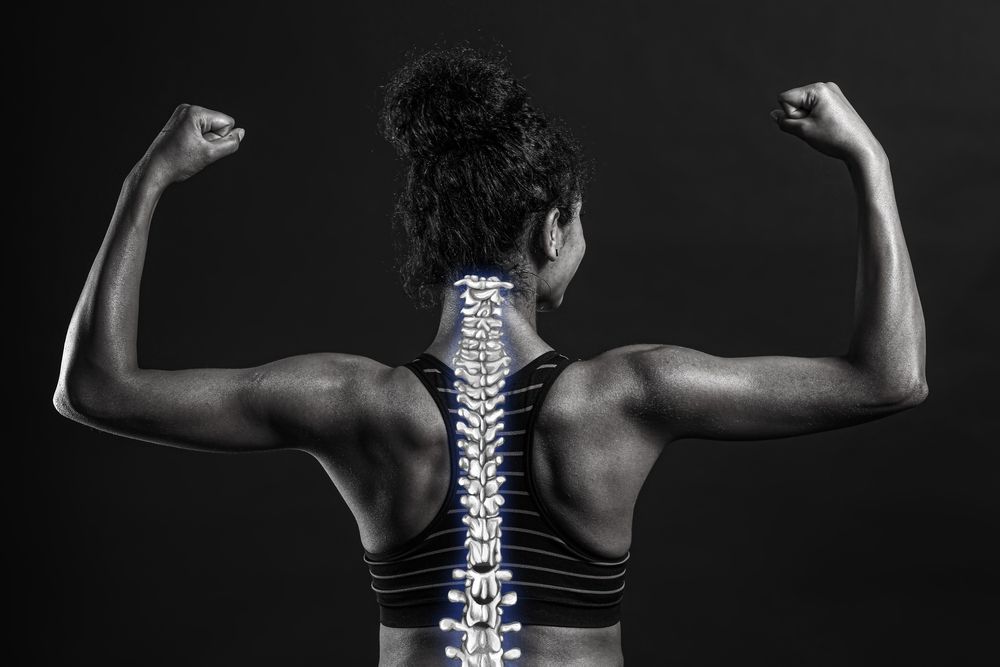
Chiropractic care and physical training may seem like separate components of wellness, but together they create a powerful foundation for movement and long-term performance. At Evolved Health Chiropractic in Woburn and Chelmsford, MA, many individuals recognize that the alignment and mobility of the spine play an essential role in how the body responds to physical activity. When the spine functions well, it allows the muscles, joints, and nervous system to operate efficiently, which can enhance the effectiveness of training.
The spine serves as the body’s central support structure, influencing posture, movement, and coordination. When its alignment is compromised, the body may develop compensatory movement patterns that increase stress on muscles and joints. Not only can these compensations hinder training results, but they may also contribute to discomfort or reduce the body’s ability to perform demanding tasks. Maintaining healthy spinal movement helps athletes move with greater ease, stability, and balance during strength training, conditioning, or sport-specific activities.
Another vital aspect of the relationship between chiropractic principles and training lies in the nervous system. The spine houses the spinal cord, which transmits signals between the brain and the body. Efficient communication within this system is essential for coordinating movement, maintaining muscle control, and responding quickly during physical activity. When the body moves well and communicates efficiently, training sessions become more productive, and athletes can tap into better overall performance.
How Proper Alignment Supports Strength, Mobility, and Injury Prevention
One of the primary reasons chiropractic principles complement training is the important role alignment plays in strength and mobility. When the body is aligned, muscles can work at their intended capacity without overcompensating for imbalances. This allows individuals to lift, run, jump, and move with greater control and precision. Proper alignment also supports healthier joint mechanics, which are essential for maintaining smooth, comfortable motion throughout all types of activity.
Joint mobility is closely tied to the body’s training capabilities. Limited mobility can restrict exercise form, reduce range of motion, and increase the risk of strain during movement. On the other hand, when the joints move freely and efficiently, the body can achieve better positions, maintain ideal posture under load, and reduce unnecessary tension. This creates a more stable foundation for building strength and improving performance over time.
Injury prevention is another significant benefit of combining chiropractic principles with regular physical training. Injuries often arise when the body is forced to perform under conditions of imbalance, fatigue, or restricted movement. When the spine and joints function properly, the body can distribute force more evenly and respond more effectively during high-intensity or repetitive activities. By supporting proper biomechanics, individuals can reduce the likelihood of overuse injuries and improve long-term durability.
Integrating Chiropractic Knowledge Into Training Routines
Training becomes more effective when individuals understand how their bodies move and how to support those movements with proper mechanics. Integrating chiropractic knowledge into training means being aware of posture, joint positioning, and muscle engagement during workouts. For example, maintaining a neutral spine during lifting exercises helps protect the low back and allows the surrounding muscles to activate properly. Awareness of alignment enhances both safety and performance, regardless of the activity.
Warm-ups and cooldowns also benefit from chiropractic-informed movement. Dynamic warm-ups that include mobility drills can prepare the joints and muscles for activity by encouraging smoother, more controlled motion. Cooldowns, including light stretching and gradual reductions in intensity, help return the body to a balanced state after training. These practices support the body’s overall structure and help maintain consistent training progress.
Ways chiropractic principles support training routines:
• Encouraging neutral spinal alignment during movement
• Promoting balanced muscle activation and improved posture
• Supporting joint mobility for better exercise technique
Combining the principles of chiropractic care with consistent physical training helps individuals better understand how their bodies work and how to train with greater awareness. This blend fosters resilience, control, and optimal movement patterns that support long-term performance. In closing, recognizing the powerful relationship between training and spinal health can lead to lasting improvements in wellness, and at Evolved Health Chiropractic in Woburn and Chelmsford, MA, this connection is often emphasized for those pursuing an active lifestyle.
Resources:
Leach, R. A. (2004). The Chiropractic Theories: A Textbook of Scientific Research.
Minick, K. I., et al. (2011). Chiropractic Care and the Athlete: An Overview of Current Evidence. Journal of Manipulative and Physiological Therapeutics.
Halson, S. L. (2014). Monitoring Training Load to Understand Fatigue in Athletes. Sports Medicine.