

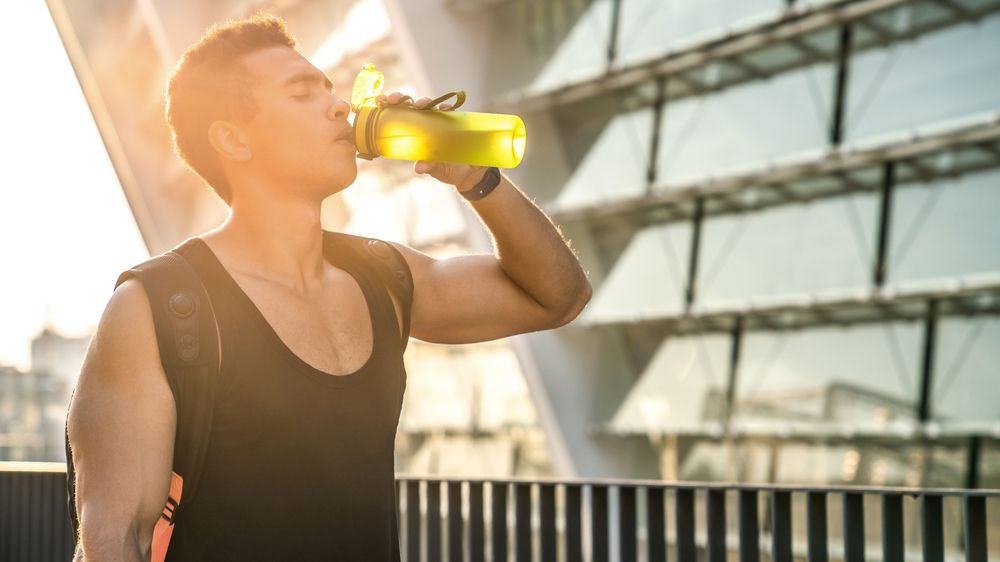
Athletes often focus heavily on training intensity, nutrition, and recovery techniques, yet hydration is one of the most essential—and frequently overlooked—components of optimal performance. At Evolved Health Chiropractic in Woburn and Chelmsford, MA, the importance of proper hydration is frequently emphasized because even mild dehydration can significantly impact the body’s ability to perform. Water plays a foundational role in nearly every physiological process, and when levels drop, so does efficiency, strength, and mental sharpness.
During physical activity, the body loses water through sweat as it works to regulate temperature. When athletes are not adequately hydrated, their bodies must work harder to perform the same tasks, placing unnecessary stress on the cardiovascular system. As dehydration becomes more pronounced, the heart rate increases, blood volume decreases, and physical output declines. These internal changes can lead to noticeable drops in endurance, strength, and coordination, which can make training sessions feel more difficult than usual.
Athletes may also underestimate how quickly dehydration can set in. Even a 1–2% loss in body weight from fluid loss can impair physical function. Because thirst is not always an early indicator of dehydration, maintaining a structured hydration plan is essential. By drinking water consistently throughout the day—not just during workouts—athletes can maintain steadier fluid levels and support a more efficient training response.
How Hydration Affects Strength, Endurance, and Recovery
Hydration directly influences several aspects of performance, including muscular strength, endurance capacity, and recovery. Water plays a crucial role in muscle contraction; without adequate fluid, muscles are more prone to cramping, fatigue, and premature failure. Proper hydration helps maintain electrolyte balance, which is essential for sending signals between nerves and muscles. When these signals become disrupted due to dehydration, athletes may experience slower reaction times and reduced power output, ultimately limiting their performance potential.
Endurance is also heavily influenced by hydration. Long-duration activities, such as distance running or cycling, increase the risk of fluid depletion. When hydration levels drop, the body becomes less efficient at cooling itself. This raises internal temperature, increases perceived exertion, and forces athletes to slow down. Proper fluid intake helps maintain sweat production, regulate temperature, and support sustained activity, especially in warmer environments where fluid loss accelerates.
Recovery is another area where hydration plays a critical role. After intense activity, the body needs water to transport nutrients, repair tissues, and flush out metabolic waste. A well-hydrated body recovers more efficiently, reducing muscle soreness and preparing the muscles for the next training session. Drinking water alongside a balanced intake of electrolytes supports faster rehydration, especially after high-intensity or long-duration workouts where fluid losses are significant.
Practical Strategies for Staying Properly Hydrated
Athletes can benefit greatly from implementing practical hydration strategies that support their training goals. While individual needs vary based on body size, activity level, and climate, most athletes perform best when they hydrate consistently throughout the day rather than relying solely on water intake during workouts. Drinking water with meals and setting reminders to sip between meals can help prevent the slow progression of dehydration that often occurs during busy days.
One useful approach is to monitor hydration through simple daily indicators. Urine color is a reliable and accessible method; pale-yellow urine typically indicates adequate hydration, while darker urine suggests increasing dehydration. Athletes may also notice signs such as dry mouth, fatigue, dizziness, headaches, or poor concentration, all of which can signal the need for more fluid intake. During training sessions, carrying a water bottle and taking regular sips can help maintain consistent hydration levels.
Common hydration guidelines for athletes:
• Drink water throughout the day, not only during workouts
• Increase fluid intake before, during, and after exercise
• Replace electrolytes during longer or high-intensity sessions
After exercise, hydration remains essential to rebuilding what was lost through sweat. Including electrolyte-containing beverages may be helpful for athletes engaging in prolonged or intense workouts, though water alone is sufficient for most moderate training sessions. By staying attentive to hydration before, during, and after physical activity, athletes can support better performance, reduce injury risk, and enhance overall wellness.
Understanding and prioritizing hydration can make a meaningful difference in an athlete’s performance and long-term health, and at Evolved Health Chiropractic in Woburn and Chelmsford, MA, this fundamental aspect of wellness is always emphasized for supporting an active lifestyle.
Resources:
Sawka, M. N., Cheuvront, S. N., & Kenefick, R. W. (2015). Hypohydration and Human Performance. Journal of Applied Physiology.
Kenefick, R. W. (2018). Drinking Strategies: Planned Drinking Versus Drinking to Thirst. Sports Medicine.
Casa, D. J. (2014). Hydration and Physical Performance. Journal of the American College of Nutrition.